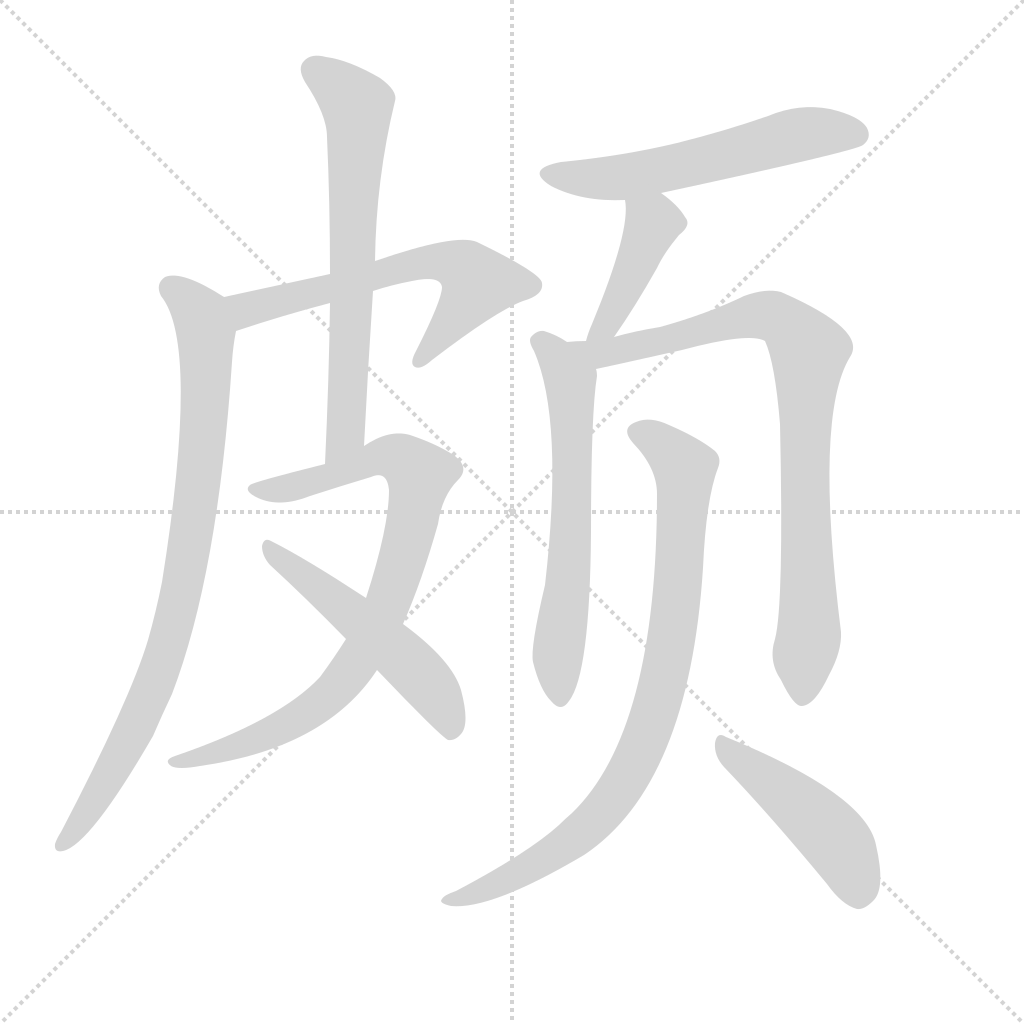
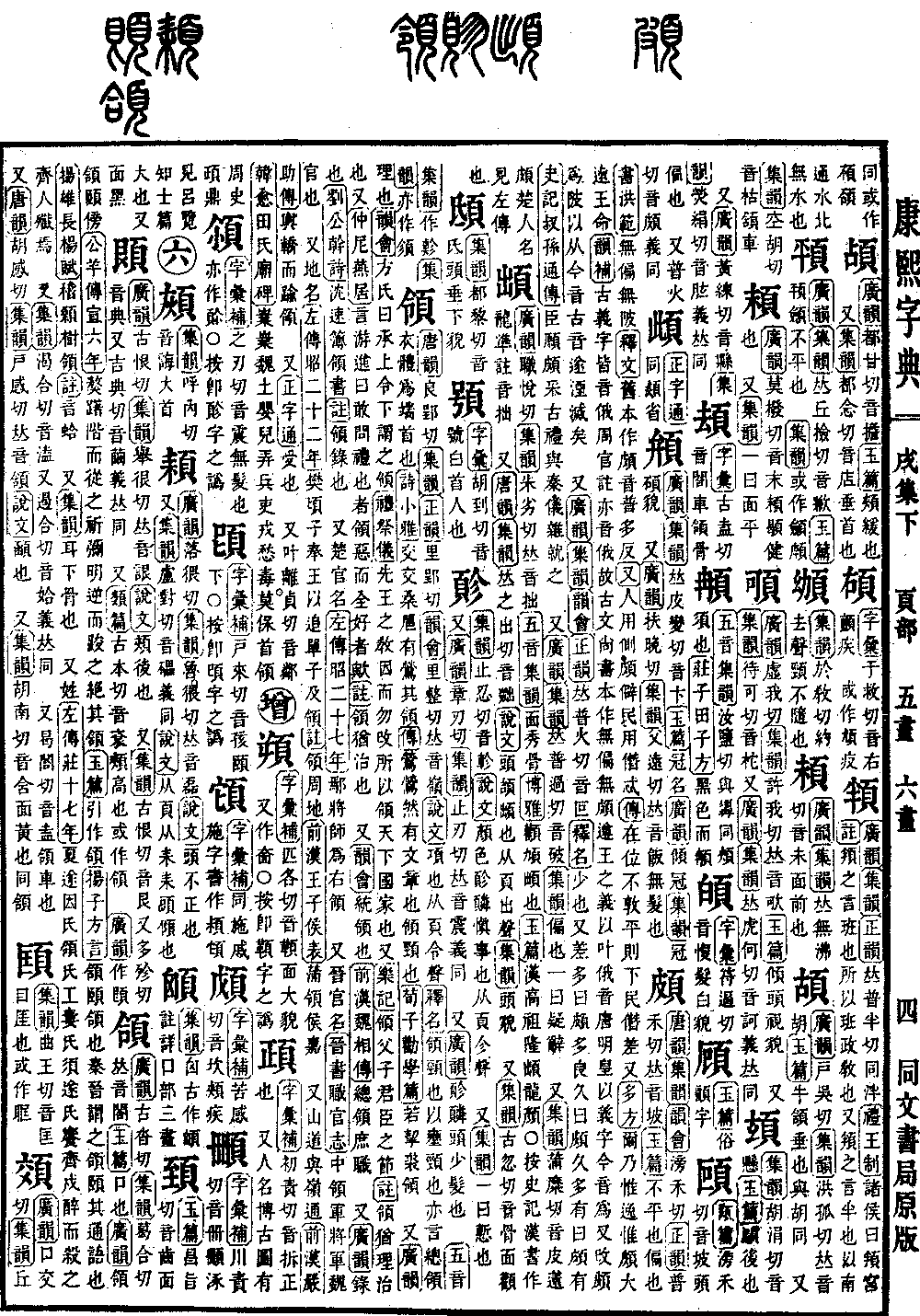
Xu Collection, Lower Volume
Radical: Leaf (yè)
Pronounced po
Page 1402, Entry 14
According to Tang Rhyme (Tangyun), Collection Rhyme (Jiyun), and Rhyme Compendium (Yunhui), pronounced po; according to Proper Rhyme (Zhengyun), pronounced po.
In Jade Chapters (Yupian), it means uneven or slanted.
In Book of Documents (Shujing), specifically the Great Plan (Hongfan), it says, Do not be biased and do not be slanted.
In the Explanation of Text (Shiwen), the old version uses the character po, pronounced po.
Also, when people are biased, slanted, and crooked, the people are dishonest and misguided.
The commentary states that if those in power are not honest and equal, then the common people will be dishonest and aberrant.
In the Numerous Regions (Duofang) chapter, it says, You are self-indulgent and biased, keeping far from the king's mandate.
According to Rhyme Supplement (Yunbu), in ancient times the character for righteousness (yi) was pronounced e. In the commentaries to the Rites of Zhou (Zhouguan), it is also pronounced e. Therefore, the ancient text of the Book of Documents (Shujing) was originally written as, No bias and no slant, following the meaning of the king, to rhyme with the sound e. Emperor Xuanzong of Tang took the modern pronunciation of the character for righteousness (yi) to be you, and changed po to bei to match the modern pronunciation, causing the ancient sound to be lost.
Also, according to Extensive Rhymes (Guangyun), Collection Rhyme (Jiyun), Rhyme Compendium (Yunhui), and Proper Rhyme (Zhengyun), pronounced po.
In Broadened Refinements (Boya), it means a little.
Also, a significant amount is called po duo, and a long time is called po jiu, and having much is called po you.
In Records of the Grand Historian (Shiji), specifically the Biography of Shusun Tong, it says, I wish to select a few ancient rituals and combine them with Qin court protocols.
Also, according to Extensive Rhymes (Guangyun) and Collection Rhyme (Jiyun), pronounced po.
In Collection Rhyme (Jiyun), it means biased. It is also used as a word indicating doubt.
Also, according to Collection Rhyme (Jiyun), pronounced pi. Wei Po is the name of a person from the State of Chu, as seen in Zuo Commentary (Zuozhuan).
Textual research: In the Rhyme Supplement (Yunbu) entry regarding Emperor Xuanzong of Tang changing the pronunciation of righteousness, note that the text originally contained an error which has been corrected. In the reference to the Explanation of Names (Shiming) meaning a little, note that this actually originates from Broadened Refinements (Boya), and the citation has been corrected.