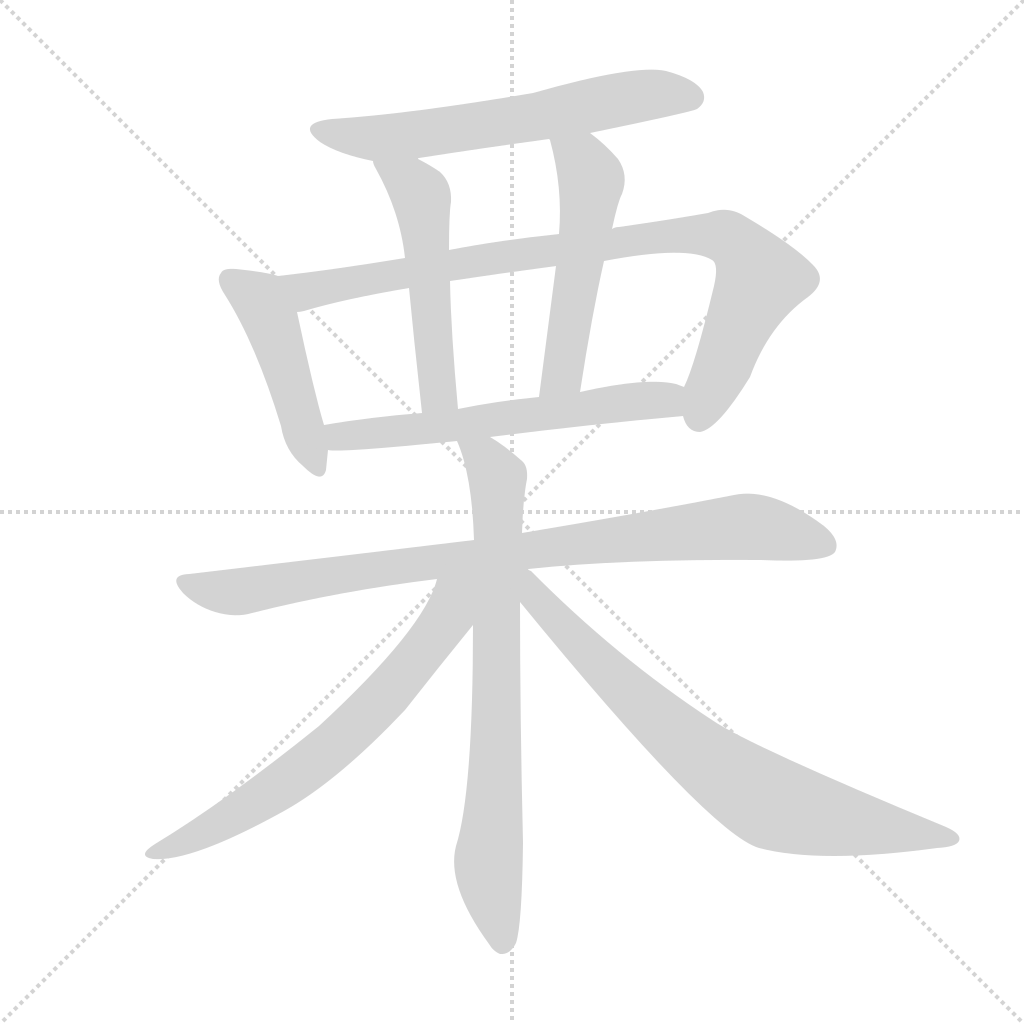
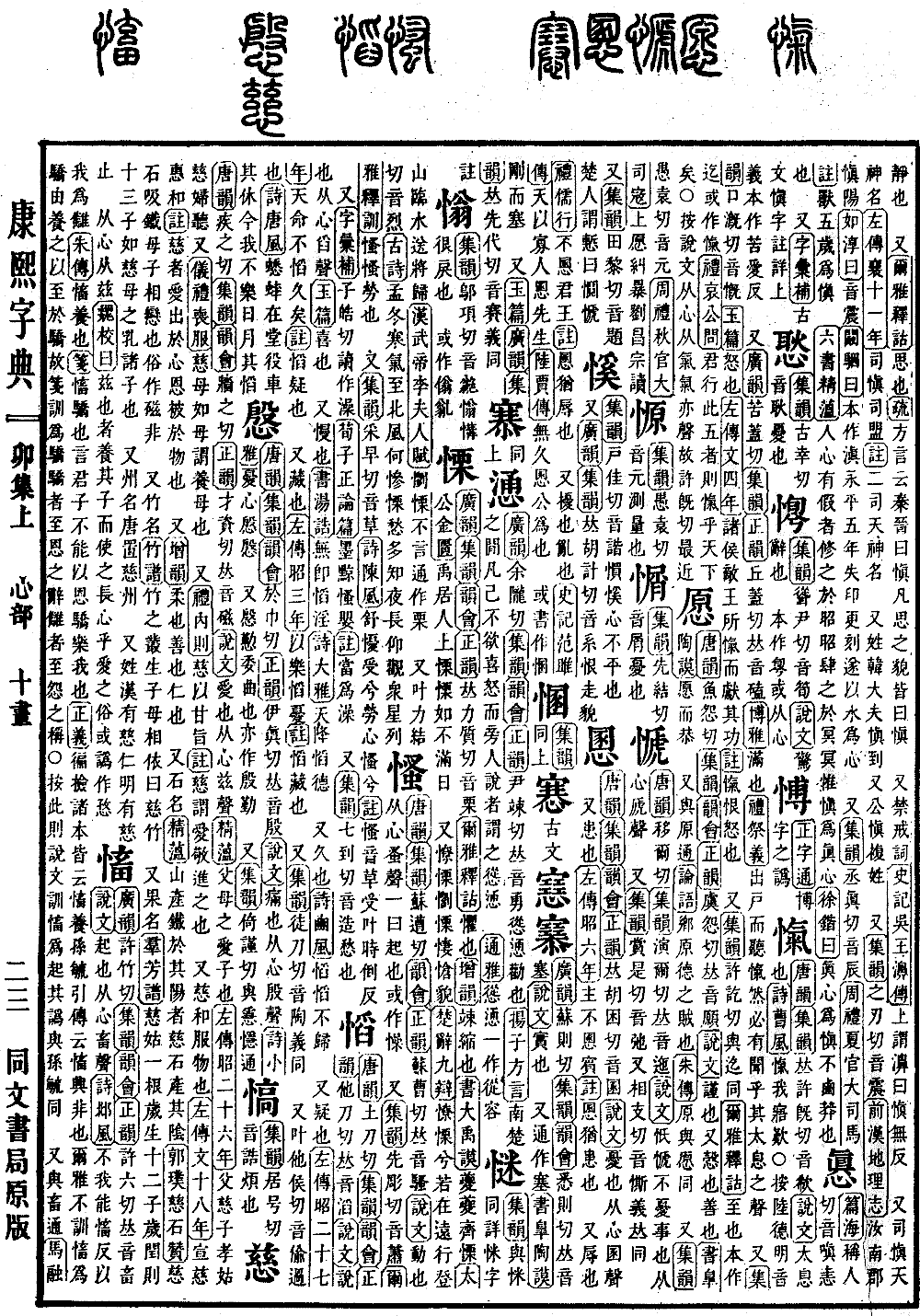
Chen Collection, Middle Volume. Radical: Tree (mù). Kangxi strokes: 10. Page 397, Entry 01.
Ancient script. Pronounced li. According to the Shuo Wen Jiezi (Shuo Wen), the character is written with the tree radical and the shape of hanging fruit. Book of Rites (Zhouli), Offices of Heaven, Stewards of Offering: Among the fruits offered in baskets for ceremonial food, there are chestnuts. Also refers to hard timber. Commentary of Gongyang (Gongyang Zhuan), Second Year of Duke Wen: For the ancestral tablets of the former lords, use mulberry wood; for the refined lords, use chestnut wood. Also denotes caution and respect. Book of Documents (Shujing), Canon of Shun: Broad-minded, generous, and cautious. Also denotes firmness. Book of Rites (Yili), Rites of Guest Reception: Fine, thorough, and firm. Also denotes majesty. The Art of War (Simafa): Positions must be strictly maintained and governmental decrees must be majestic. Also refers to grains and fruits that are full and not shriveled, described as li. Book of Odes (Shijing), Greater Odes: The grain heads hang low, and the fruits are full. Also refers to li lie, denoting cold wind. Book of Odes (Shijing), Odes of Bin: The weather in the twelfth month is bitingly cold. Also denotes haste, referring to skipping steps. Book of Rites (Yili), Banquet Rites: Ascending the stairs hastily, not exceeding two steps at a time. Also refers to trees used as road markers, known as hang li. Commentary of Zuo (Zuozhuan), Ninth Year of Duke Xiang: Wei Jiang cut down the chestnut trees used as road markers. Also refers to the bili (a musical instrument). Records of the Emperor Ming (Minghuang Zalu): Originally a musical instrument from the Kingdom of Kucha, also known as bei li. Also refers to water chestnuts. Record of Wuling (Wuling Ji): Two-horned ones are called ling, three- or four-horned ones are called ji; collectively known as water li. Also, according to the Dialects (Fangyan), in the customs of the Qin region, combing hair is called li. Also the name of a county. Book of Former Han (Qianhan Shu), Treatise on Geography: Li County belongs to Pei Commandery. Also a surname. Customs and Traditions (Fengsu Tong): General Li Fu of the State of Yan. Pronounced lie. Refers to splitting or cracking. Book of Rites (Zhouli), Winter Offices: The method for craftsmen to treat bow staves; if the grain does not crack or slant, the bow will not warp. Also pronounced le. Su Shi, Poem on the Mid-Autumn Moon: Calling for wine to drink with my wife, recalling the words I asked my children. How could I know that after aging and falling ill, I would hold an empty cup facing pears and chestnuts. Note: The Shuo Wen Jiezi classifies this under the grain radical, but here it is incorporated under the tree radical.