Shen Collection, Upper Volume
Radical: Grass (cǎo)
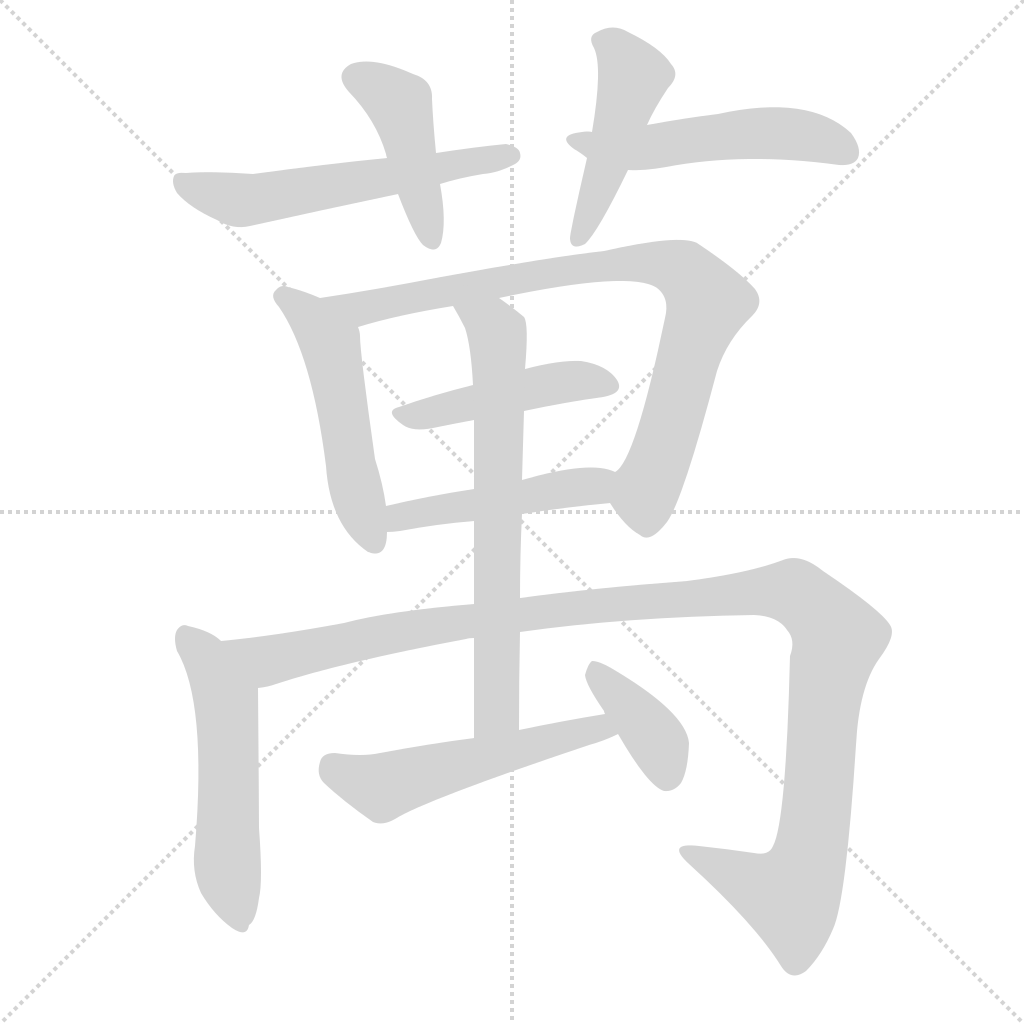
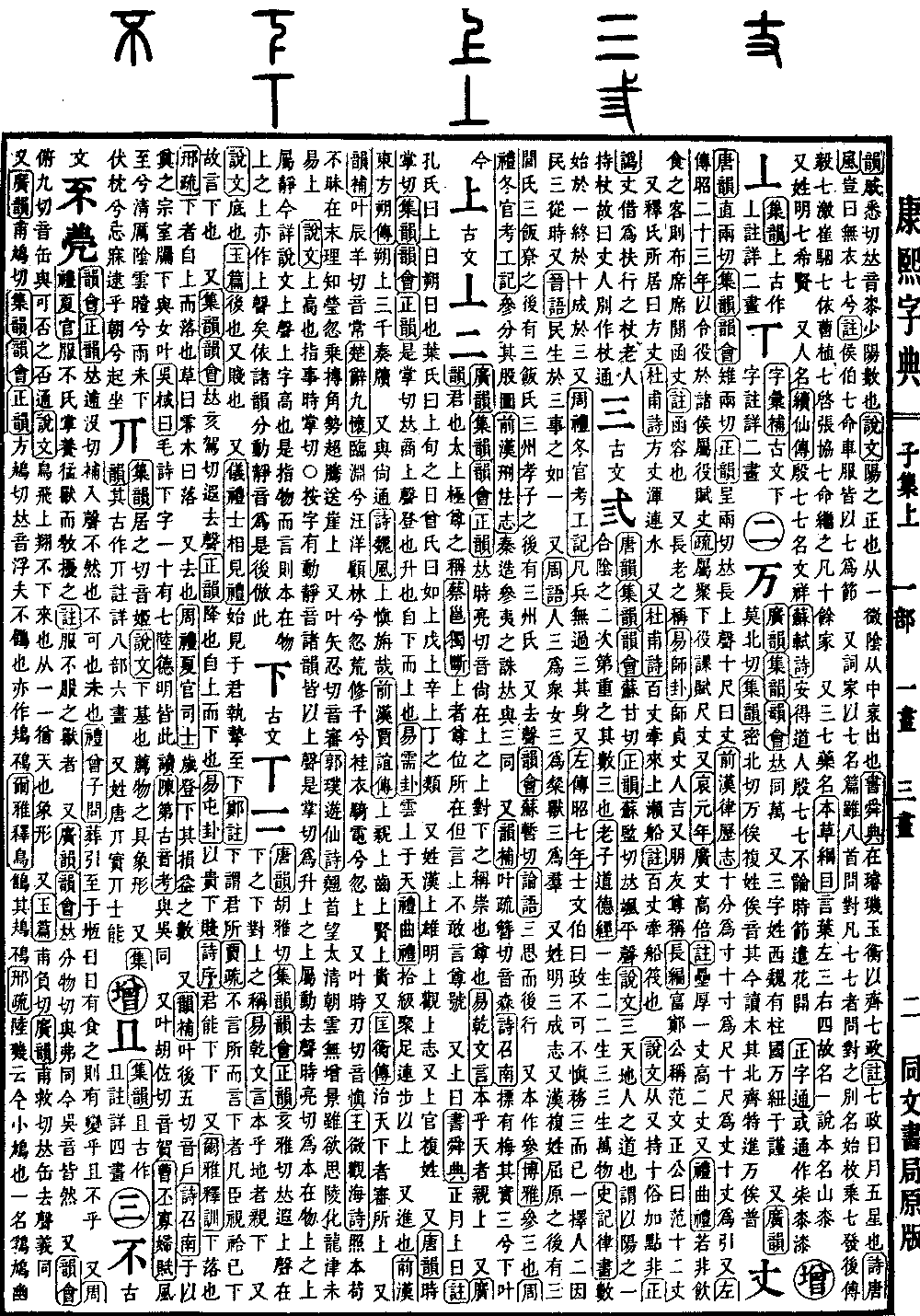
Wan; Kangxi strokes: 15; Page 76
Ancient script.
Pronounced wan (falling tone).
Shuowen Jiezi (Dictionary of Characters): A type of insect.
Piya (Amplified Expositions): One name for a bee is wan. It is because bees are numerous and move in counts of ten thousand.
Also a number.
Book of Changes (Yijing): Ten thousand states are all at peace.
History of the Former Han (Qian Hanshu): Records begin at one, harmonize at ten, extend at one hundred, grow at one thousand, and expand at ten thousand.
Also a name of a dance.
Book of Odes (Shijing): They are about to perform the wan dance.
Commentary: Wan is the general name for the dance.
Dadai Liji (Record of Rites by Dai the Elder): The wan dance is a dance involving shields and axes.
Yunhui (Collection of Rhymes): Tang and Wu attained the world with ten thousand men, therefore the dance involving shields is called the wan dance.
Also a name of a prefecture.
Huanyuji (Universal Record): During the Han dynasty it was Badong Commandery; in the Zhenguan era of the Tang dynasty it was called Wan Prefecture.
Also a surname.
Tongzhi (Comprehensive Records): The Wan clan; Mencius had a student named Wan Zhang.
Also pronounced in the xian rhyme.
Bai Juyi: Poem to Yuan Jiu: Pity you are an official in exile, destitute and with a poor home. Three times I sent you provisions for clothing and food, the amount totaling twenty thousand.
Liushu Zheng'e (Correction of the Six Writings): Sometimes abbreviated as the variant form (wan), which is incorrect.