Yin Collection, Upper Volume
Radical: Roof (mián)
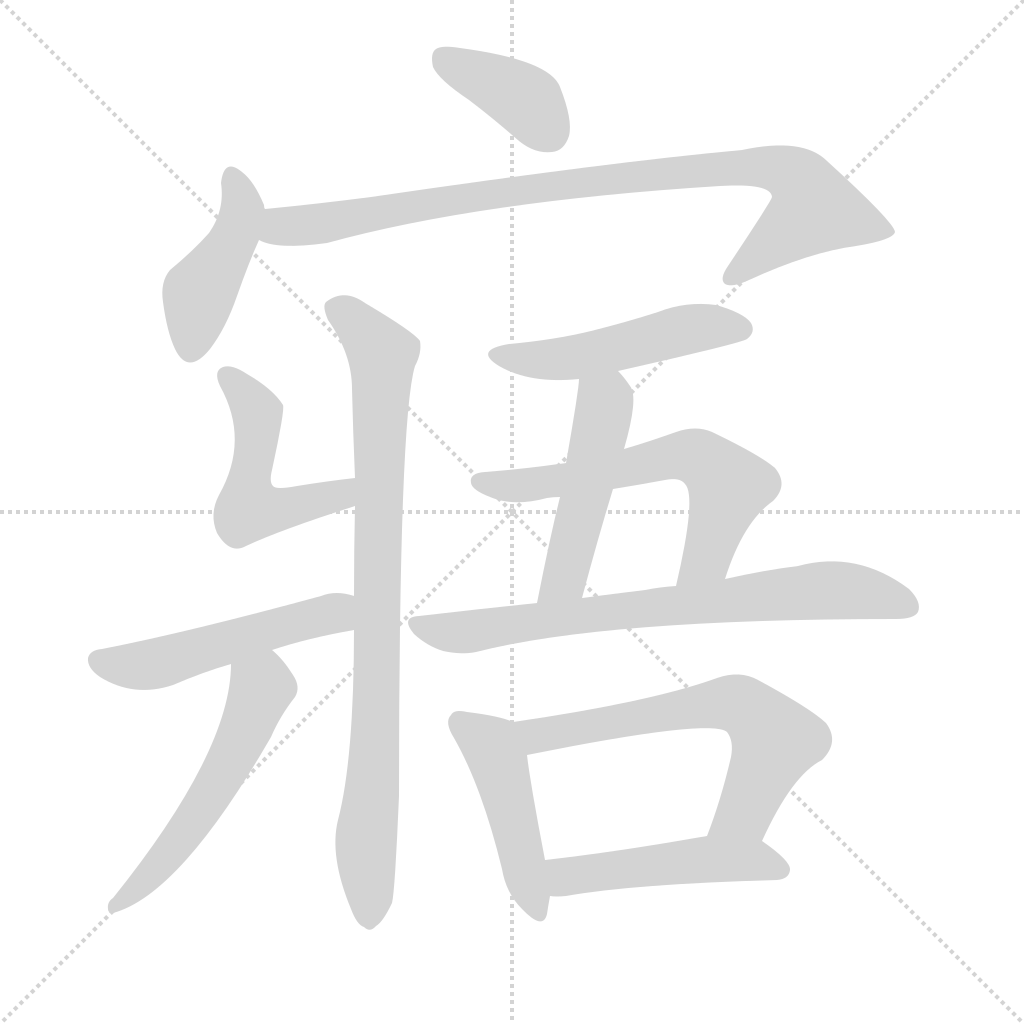
寤
Kangxi stroke count: 14
Page 291, Entry 01
Tang Rhyme (Tangyun), Collection Rhyme (Jiyun), Rhyme Compilation (Yunhui), Correct Rhymes (Zhengyun): Pronounced wù.
Explaining Graphs and Analyzing Characters (Shuowen Jiezi): Speaking after waking from sleep is called wu. The character structure uses a simplified form of the roof radical as the component, with the character wu serving as the phonetic. Another perspective states that one sees during the day and dreams at night.
Rites of Zhou (Zhouli), Autumn Official: Established the official position of the Siwu Shi. Commentary: Wu means to be awake; these officials are in charge of matters regarding nighttime wakefulness.
Spring Official, Great Diviner Commentary: When the spirit manifests during waking hours, one divines after becoming aware of it.
Zuo Tradition (Zuozhuan), First Year of Duke Yin: Duke Zhuang was born in the wu manner, which frightened Lady Jiang. Commentary: This means a breech birth. The term e means to go against or oppose. Du Yu stated: Lady Jiang gave birth to the Duke while in a dream.
Comprehensive Customs (Fengsu Tong): Any infant who opens its eyes and looks upon being born is called wu-born.
Also interchangeable with the character wu (to realize/awaken).
Preface to the Erya: Additionally produced phonetic charts to remove areas of confusion. Commentary: Used to assist those who have not yet reached full understanding or awakening. Kong Ji said: I pondered all day but did not obtain the answer; through learning, I reached realization.
Explaining Graphs and Analyzing Characters (Shuowen Jiezi): An alternative form is written as shown.
Correct Character Guide (Zhengzitong): The common form written as wù is incorrect. That character is the name of a kitchen stove.
The character shown is equivalent to the variant wù.