Wu Collection, Middle Volume
Radical: Spear (máo)
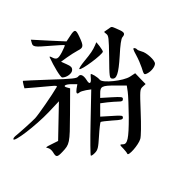
Shuo
Kangxi Stroke Count: 12
Page 822, Entry 18
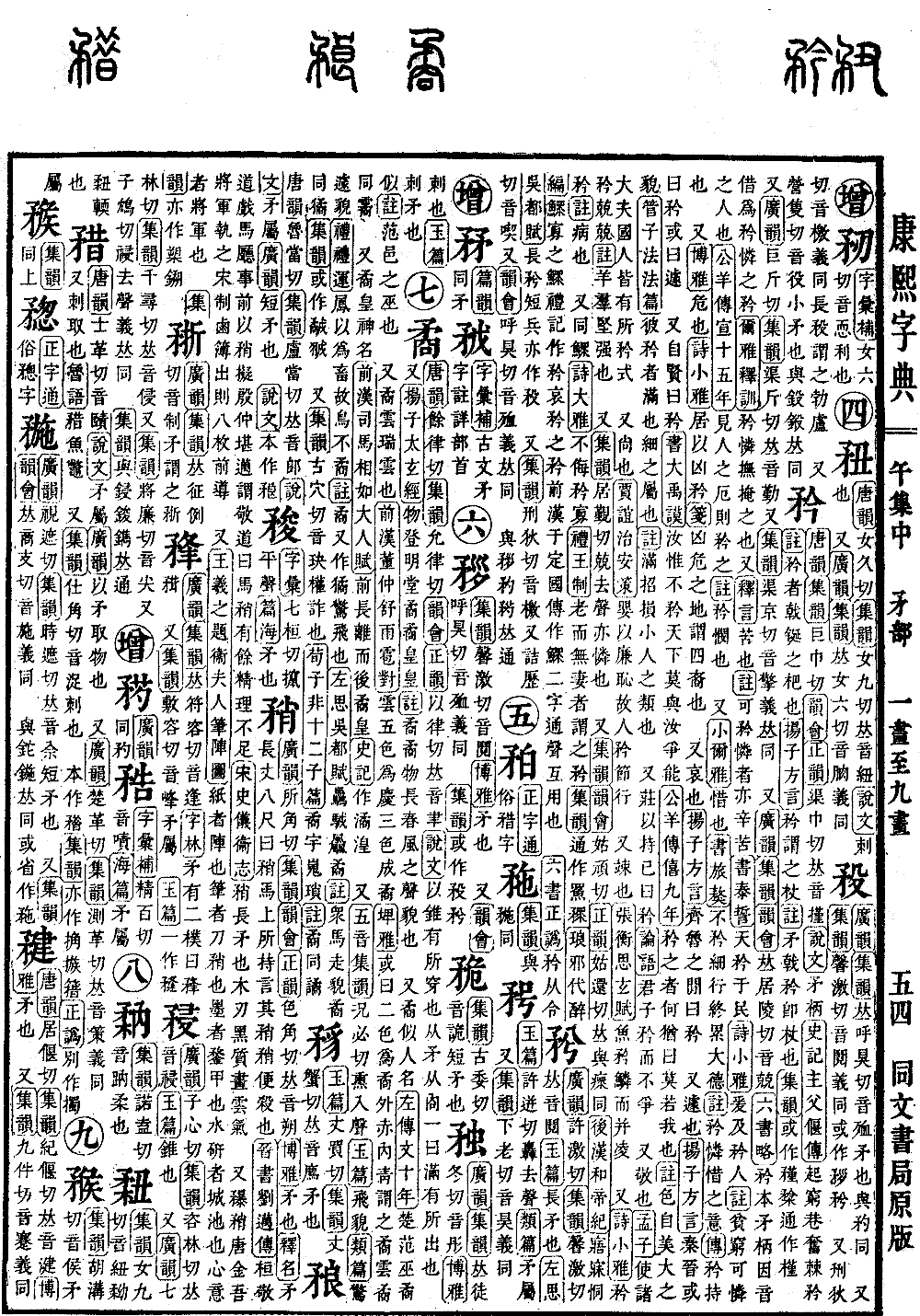
According to the Book of Broad Rhymes (Guangyun), pronounced shuo. According to the Collected Rhymes (Jiyun), Rhyme Association (Yunhui), and Orthodox Rhymes (Zhengyun), pronounced shuo. According to the Broad Observations (Boya), it is a spear. According to the Explaining Names (Shiming), a spear eighteen feet in length is called a shuo; it is a weapon held while riding on horseback, meaning it is light and agile, convenient for striking and killing. According to the Book of Jin (Jinshu), in the biography of Liu Mai, when Huan Jingdao was in front of the Xima Terrace, he pointed a shuo at Yin Zhongkan. Liu Mai said to Jingdao: Your horse and shuo are sufficient, but your understanding of profound principles is insufficient. According to the History of Song (Songshi), record of ceremonial guards, a shuo is a long spear. It has a wooden blade, a black base, and is covered in cloud-pattern motifs. In addition, the shuo was a weapon held by the Golden Guard Generals of the Tang dynasty. Under the Song dynasty system, when the emperor traveled with a ceremonial guard, eight shuo were used to lead the way. Furthermore, according to Wang Xizhi in the inscription for Lady Wei’s Array of the Brush, the paper is like the battlefield. The brush is like the sword and shuo. The ink is like the helmet and armor. Water-ground ink is like the city walls. The mind and intention are like the general. According to the Collected Rhymes (Jiyun), it is also written in variant forms (shuo) or (shuo).