Shen Collection, Upper Volume
Radical: Grass (cǎo)
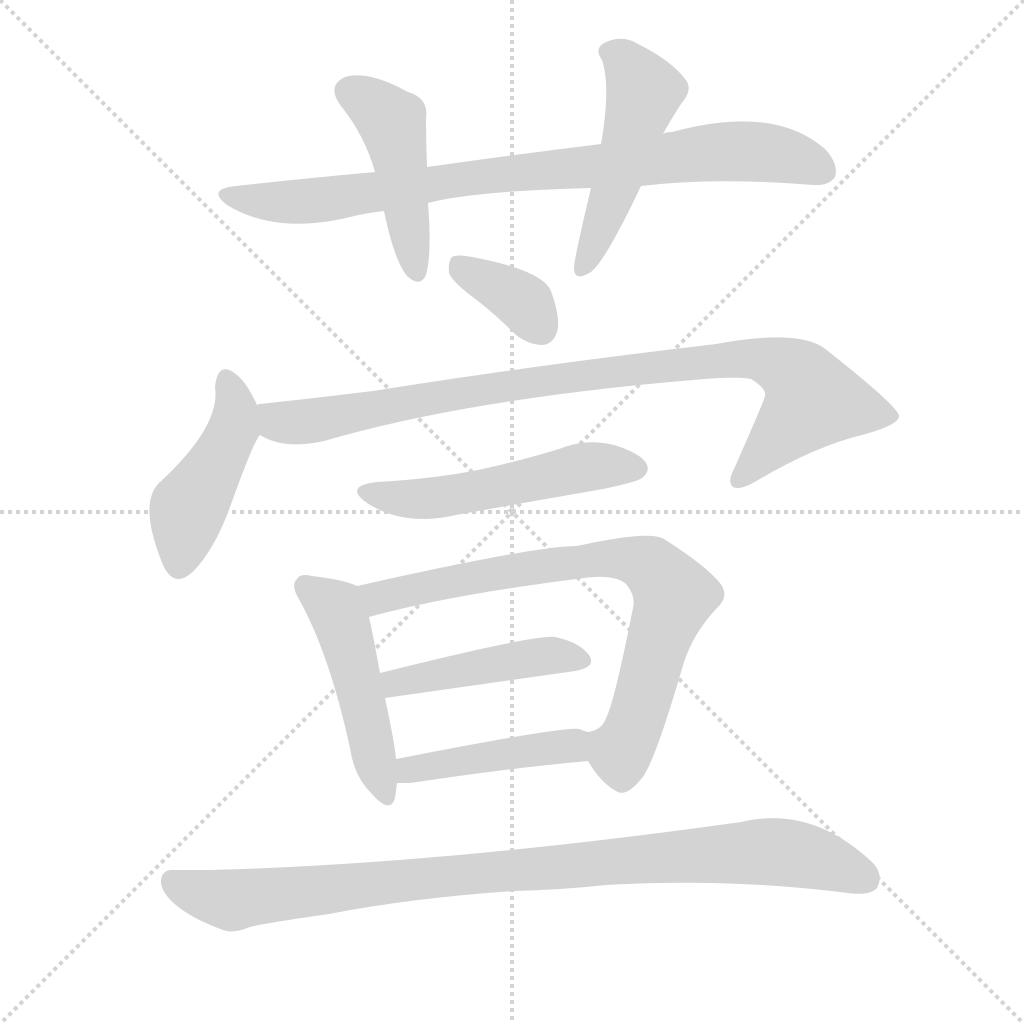
Xuan
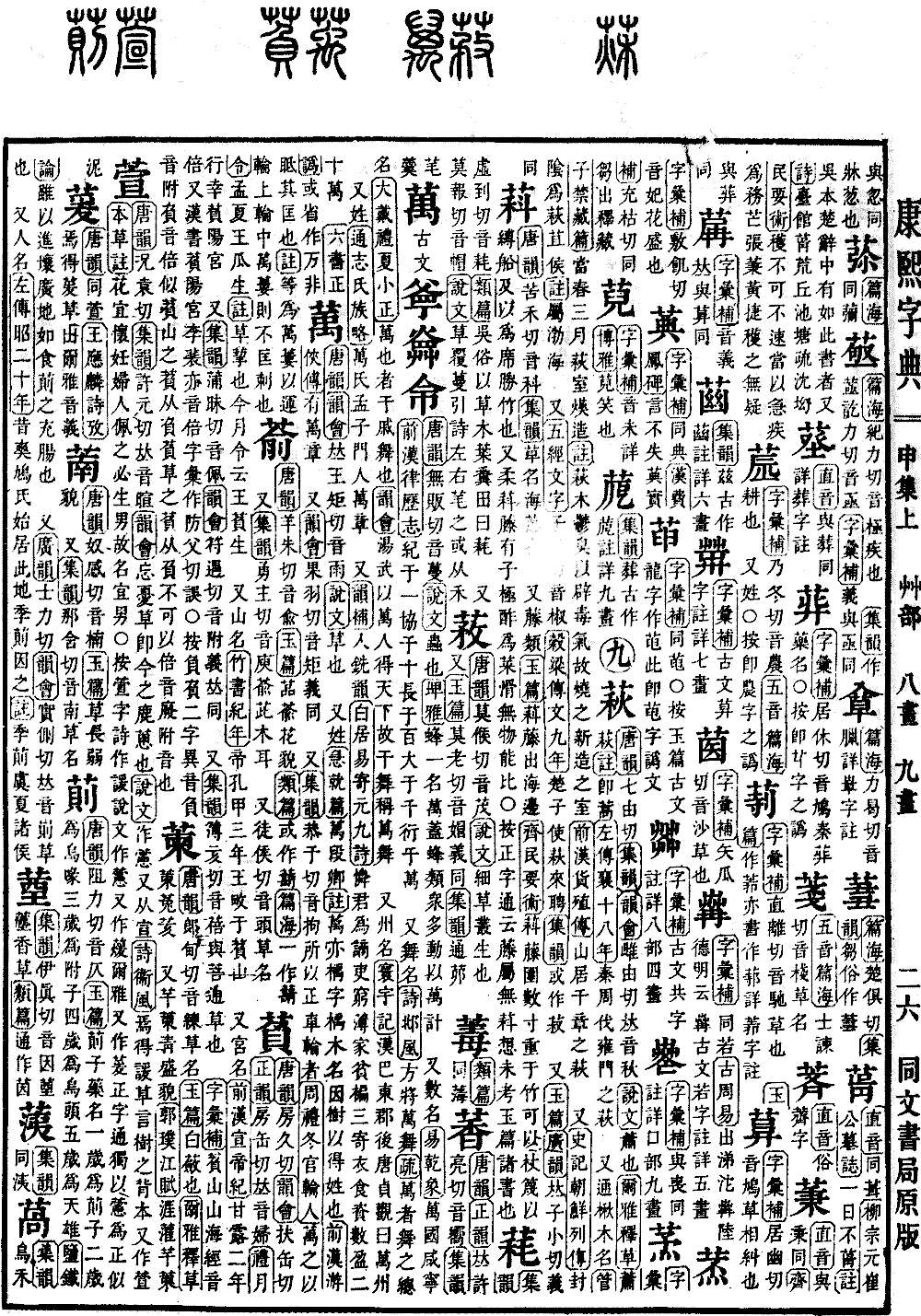
Kangxi strokes: 15
Page 1042, Entry 41
According to the Tang Rhymes (Tangyun) and the Collected Rhymes (Jiyun), the pronunciation is xuan.
The Book of Rhymes (Yunhui) defines this as the daylily, which is what is called the deer onion today. The Explaining Graphs and Analyzing Characters (Shuowen) writes it as xuan, with the radical for grass and the phonetic component xuan.
The Book of Odes (Shijing), in the section Odes of Wei, states: How can I obtain the daylily (xuan cao), and plant it behind the north wall? The original text also uses the character xuan.
The Commentary on the Materia Medica (Bencao Zhu) notes that the flower is beneficial for pregnancy, and if a woman carries it, she will surely give birth to a boy, which is why it is also called the child-bearing herb (yi nan).
Note: The character xuan is written as xuan in the Book of Odes, as xuan in the Explaining Graphs and Analyzing Characters, as xuan in other texts, and as xuan in the Literary Expositor (Erya). The Correct Character Guide (Zhengzitong) considers the character xuan to be the only correct form, but this seems overly rigid.