
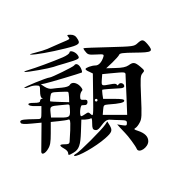
䫇

Pronunciationrán
Strokes16 strokes

Basic Info

Pronunciation rán
Five Elements None
Fortune None
Radical
Simplified Strokes 16 strokes
Traditional Strokes 16 strokes
Naming Meaning

Kangxi Dictionary

View Original Page 1404
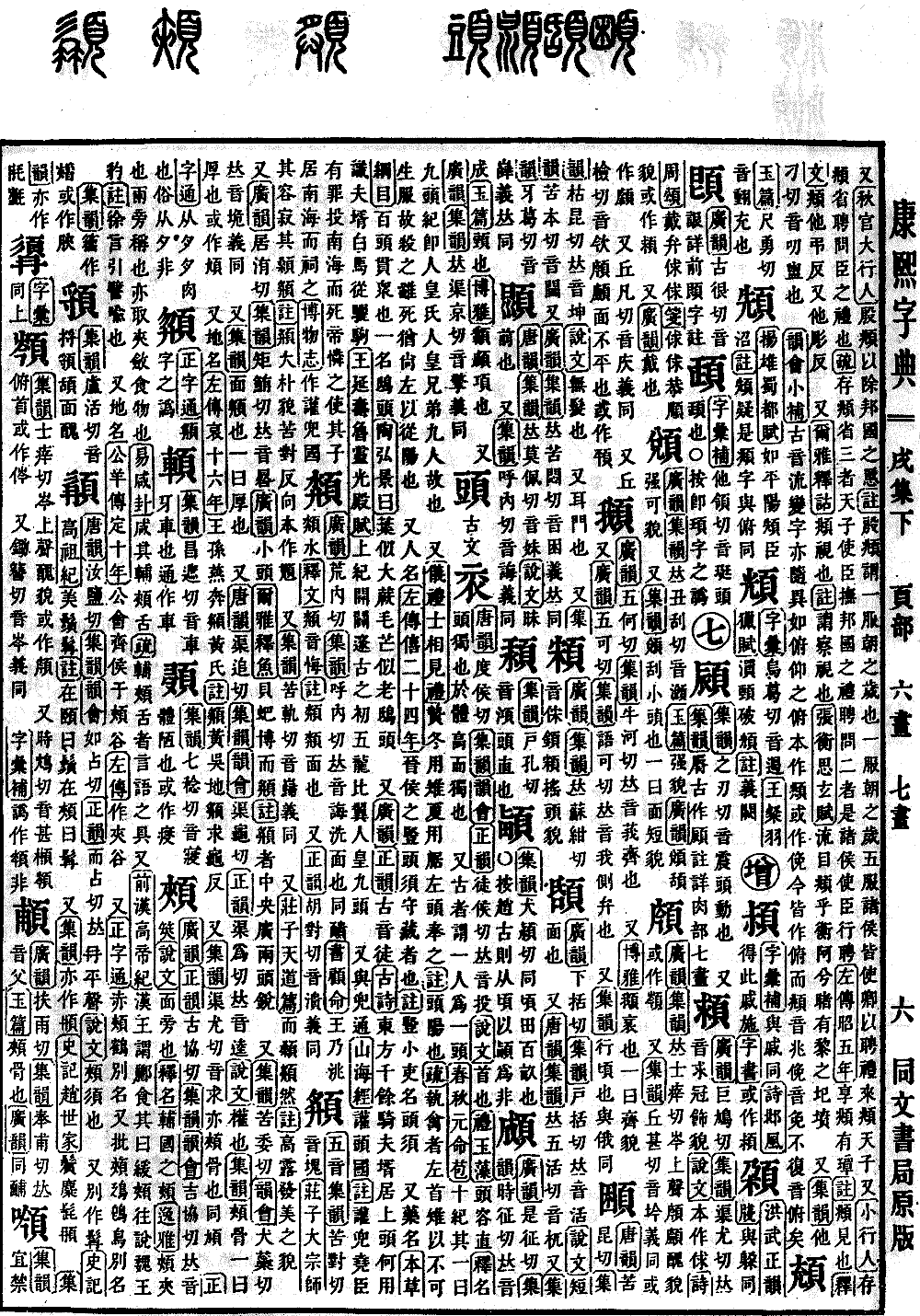
Zi Collection, Page Position: Upper, Radical: Beard (xū), Page 10, Entry 02 Pronounced ru yan (falling tone) according to "Tang Yun" (Tang Yun). Pronounced ru zhan (falling tone) according to "Jiyun" (Jiyun) and "Yunhui" (Yunhui). Pronounced er zhan (falling tone) according to "Zhengyun" (Zhengyun), with the sound "ran" (falling tone). "Shuowen Jiezi" (Shuowen Jiezi) explains it as beard on the cheeks. Also written as "rán" (rán). "Shiji - Gaozu Benji" (Shiji - Gaozu Benji) records "měi xū rán". The annotation states: that on the chin is called "xū" (xū), and that on the cheeks is called "rán" (rán). Also written as "mí" (mí) in "Jiyun" (Jiyun). "Shiji - Zhao Shijia" (Shiji - Zhao Shijia) has "bìn mí zī" (bìn mí zī). Also written as "ní" (ní) in "Jiyun" (Jiyun).

Kangxi Dictionary Modern Version

扫码使用更多功能

康熙字典小程序

康熙字典小程序

下载 iOS App 下载 Android App
