You Collection, Lower Volume
Radical: Wine (yǒu)
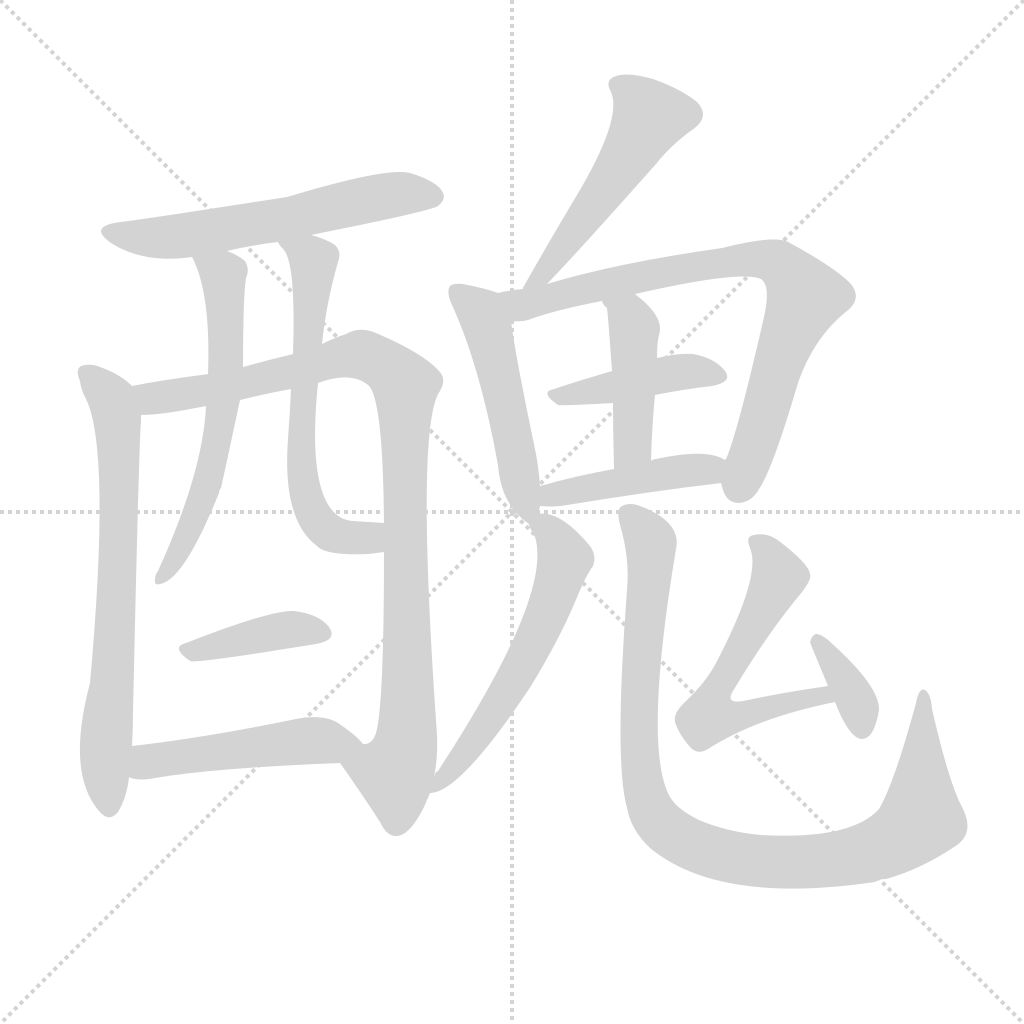
Chou.
Kangxi stroke count: 17.
Page 77, Entry 01.
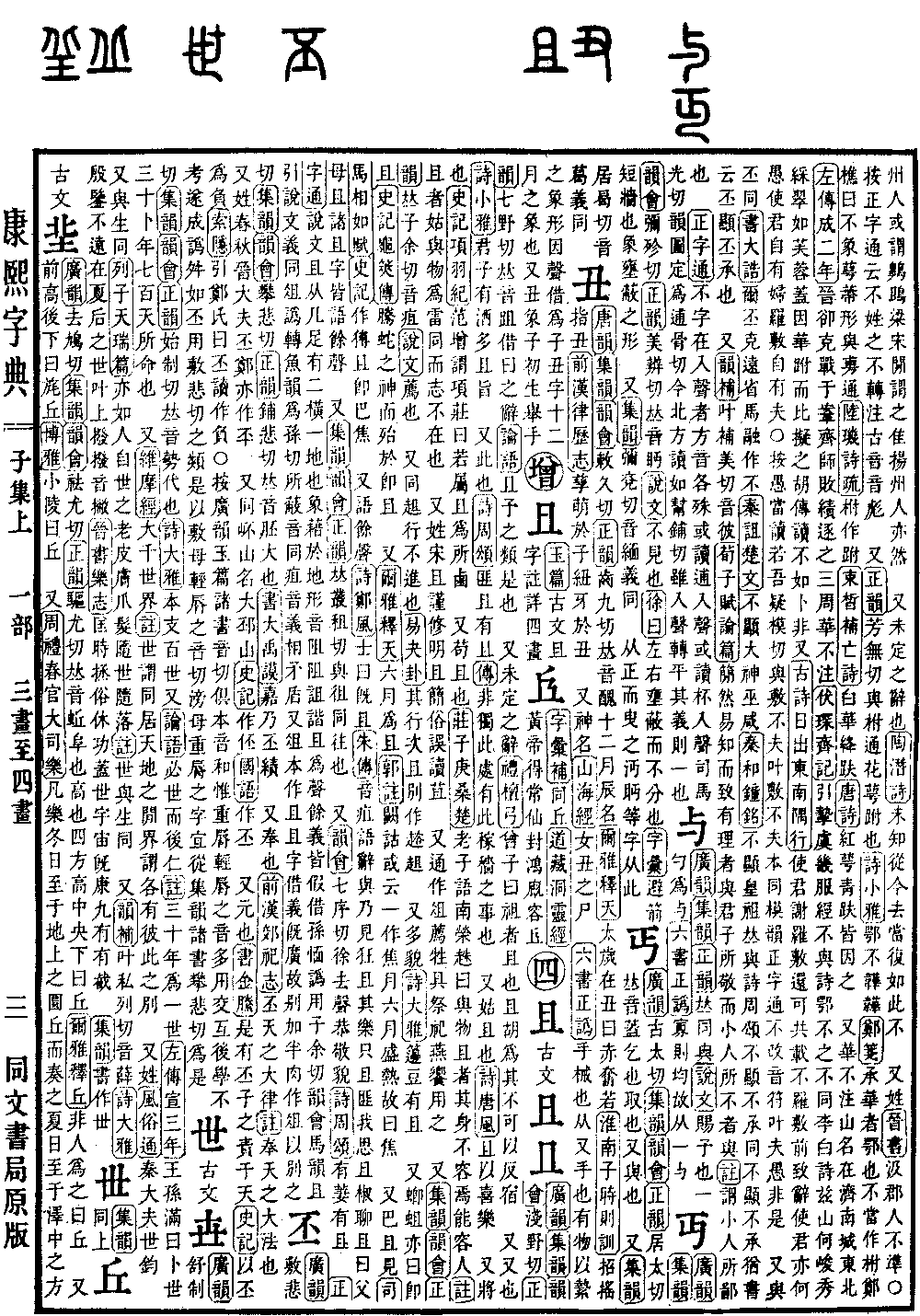
Ancient form: Kui.
Pronounced chou (rising tone).
Shuowen Jiezi (Explanation of Writing and Analysis of Characters): To be detestable.
Book of Odes (Shijing): Even if the sun is eclipsed, it is also very detestable. Commentary: Chou means detestable.
Zuo Commentary (Zuo Zhuan): Detestable types and evil things. Commentary: Chou also means detestable.
History of the Former Han (Qian Hanshu): Because King Xiang was unfair as the ruler of the world, he now distributes the former kings to detestable lands.
Also, according to the Explaining Names (Shiming): It means stinking, like foul rot. It also means to detest.
Zuo Commentary (Zuo Zhuan): Detesting the upright and finding the righteous detestable, their followers are indeed numerous.
Records of the Grand Historian (Shiji): Yi Yin left Tang and went to Xia; having found the Xia dynasty detestable, he returned to Bo.
Also, to mutually detest. Strategies of the Warring States (Zhan Guo Ce): And personally detested by Qin. Commentary: To be personally detested by Qin means to be in a state of mutual animosity with Qin.
Also, shame. Records of the Grand Historian (Shiji): To bring shame upon the ancestral temples and the altars of soil and grain of my predecessors, I find this extremely shameful.
Also, Han Fei Biography: One must know how to embellish what one speaks of and what one respects, while covering up what one finds shameful. Commentary: The Suoyin notes: It means that when a ruler has taboos and finds them shameful, the persuader should suppress those issues and not speak of them.
Also, ugly appearance. History of the Former Han (Qian Hanshu): If one's physical appearance is ugly and evil, this also refers to it.
Huainanzi: If one does not seek beauty and does not seek ugliness, then there is neither beauty nor ugliness.
Also, category. Book of Changes (Yijing): If an expedition does not return, it means separating from one's group or category. Sub-commentary: Chou means category.
Mencius: Their lands are similar and their virtues are equal.
Also, a multitude. Book of Odes (Shijing): Seizing prisoners and capturing the masses. Annotation: Chou means multitude.
Zuo Commentary (Zuo Zhuan): Taking their multitudes and types. Annotation: Chou means multitude.
Also, to compare. Book of Rites (Liji): Ancient scholars compared things and categorized them. Annotation: Chou is like comparing.
Also, according to Yang Xiong's Dialect (Fangyan): Chou means the same. In Eastern Qi, it is called chou.
Also, the name of a mountain. Classic of Mountains and Seas (Shanhaijing): In the Kunlun hills, the Yang River emerges and flows southwest, pouring into the Choutu River. Annotation: Choutu is also the name of a mountain.
Also, Book of Rites (Liji): Remove the chou from the soft-shelled turtle. Annotation: Chou refers to the anus of the turtle.
Also, a surname. History of the Later Han (Hou Hanshu): There was a person named Chou Zhang.
Also, a compound surname. Western Qin Records (Xiqin Lu): There was a subordinate general named Choumen Yudi.
Also, according to the Posthumous Titles Law (Shifa): To rely on power and act recklessly is called chou. Book of Jin (Jinshu): Ceng was excessively arrogant and extravagant, so he should be given the posthumous title of Mouchou.
Also, according to the Rhyme Supplement (Yunbu), pronounced chu. Yi Lin: The middle daughter of the family in the east, Mo Mu dares to be ugly. At thirty she has no home, and the matchmaker exhausts herself in vain.
Jiyun (Collection of Rhymes): Sometimes written as a variant form.